
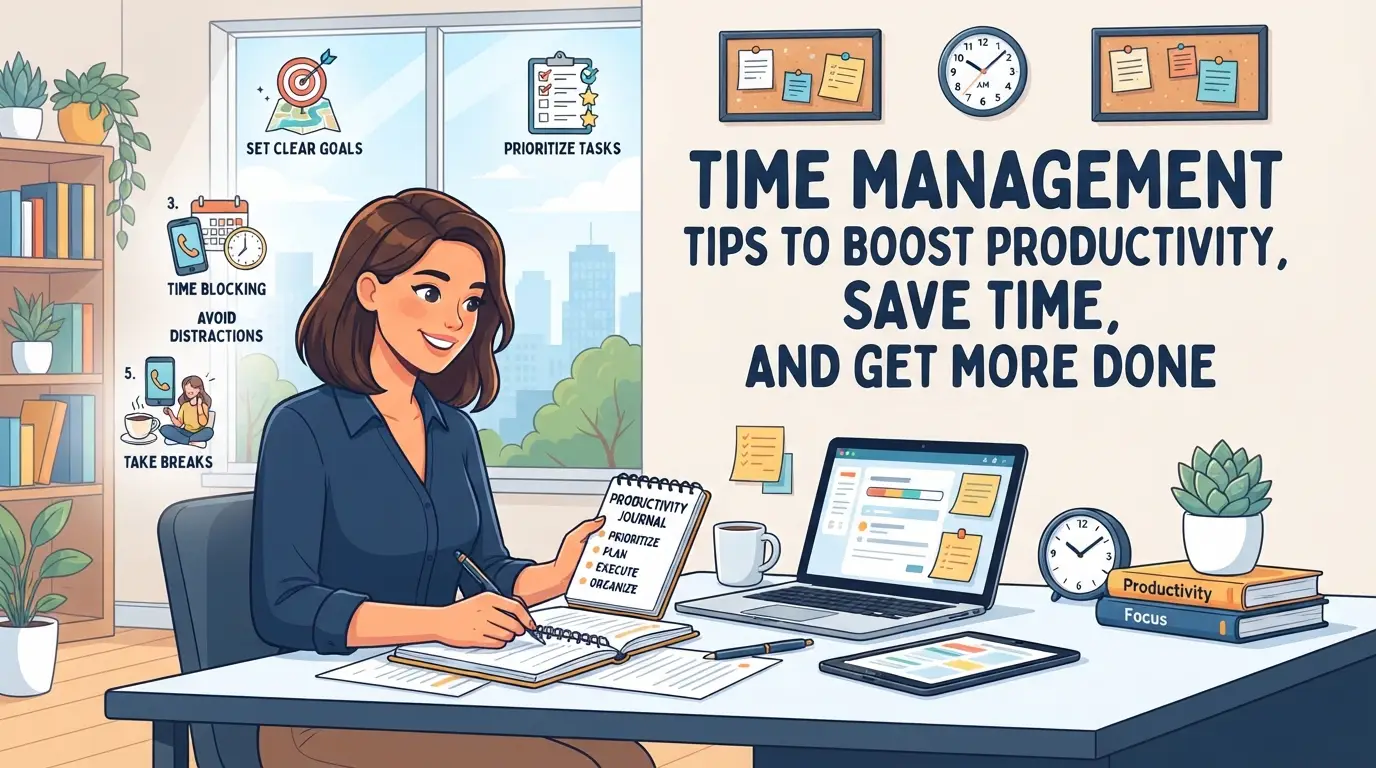
Time Management Tips to Boost Productivity, Save Time, and Get More Done
Managing time well can make everyday life feel less stressful, more organized, and much more productive. Whether you’re a student, professional, parent, business owner, or someone simply trying to get more done, effective time management can help you use your hours with greater intention. The right time management tips aren’t about filling every minute with work. They’re about understanding what matters, reducing distractions, and creating enough structure to make progress without constantly feeling rushed.
Good time management also gives you more control over your day. Instead of wondering where the hours went, you can decide where your attention should go. From planning your schedule and setting priorities to avoiding procrastination and creating healthy routines, small changes can have a surprisingly big impact.
Below are 149 practical time management ideas you can start using immediately.
Time Management Tips For Better Planning
“Plan Your Day The Night Before”
Spend a few minutes deciding what you want to accomplish tomorrow. A simple plan can help you begin the morning with direction instead of spending your first hour figuring out what to do.
“Write Down Your Priorities”
Keep your most important tasks visible. Writing priorities down reduces the chance of forgetting them and makes it easier to distinguish meaningful work from minor distractions.
“Create A Daily Schedule”
Give your day some structure by assigning general periods for work, study, errands, rest, and personal activities. A realistic schedule gives you a framework without making your day feel rigid.
“Start With Your Most Important Task”
Tackle an important task when your energy and concentration are strongest. Completing something meaningful early can create momentum for the rest of the day.
“Prepare A Weekly Plan”
Look beyond today. A weekly overview can help you recognize deadlines, appointments, projects, and commitments before they become urgent.
“Use A Simple To-Do List”
A complicated productivity system isn’t always necessary. A clear list of tasks can be enough to keep your attention focused.
“Keep Your Calendar Updated”
Record appointments, deadlines, meetings, and important commitments in one reliable calendar. This gives you a realistic picture of how your available time is being used.
“Review Your Schedule Every Morning”
Take a quick look at your plan before beginning your day. Adjust it when necessary rather than blindly following a schedule that no longer fits your circumstances.
“Leave Space Between Tasks”
Avoid scheduling every minute. Small gaps give you room to handle unexpected calls, delays, or tasks that take longer than expected.
“Plan According To Your Energy”
Not everyone works best at the same time. Schedule demanding activities during the periods when you naturally feel most alert.
Time Management Ideas For Setting Priorities
“Separate Urgent From Important”
An urgent task demands immediate attention, while an important task contributes to a meaningful goal. Learning the difference can prevent you from spending the entire day reacting to other people’s demands.
“Choose Three Main Priorities”
Instead of creating an enormous daily list, identify a few outcomes that would make the day feel productive. This keeps your attention manageable.
“Ask What Actually Matters”
Before spending an hour on something, ask whether it genuinely contributes to your goals. This simple question can reveal activities that consume time without providing much value.
“Do High-Value Work First”
Put your most valuable responsibilities near the top of your schedule. Completing high-impact work before minor tasks can improve overall productivity.
“Learn To Say No”
Every commitment takes time. Politely declining activities that don’t fit your priorities can protect your schedule and reduce unnecessary stress.
“Set Clear Deadlines”
A task without a deadline can easily remain unfinished. Give important activities a realistic completion date so you have something concrete to work toward.
“Rank Tasks By Importance”
When everything feels important, decide which tasks have the greatest consequences. Start there instead of treating every item equally.
“Focus On Outcomes”
Think about what you want to accomplish rather than simply how busy you want to be. Productivity is about meaningful results, not the number of hours spent working.
“Question Low-Value Tasks”
Regularly examine repetitive activities that consume your time. Some may be simplified, automated, delegated, or eliminated.
“Protect Your Priorities”
Once you identify important work, protect time for it. Don’t allow every interruption to push your meaningful goals aside.
Time Management Tips For Avoiding Procrastination
“Break Big Tasks Into Smaller Steps”
Large projects can feel intimidating because the finish line seems far away. Divide them into smaller actions that are easier to begin.
“Use The Five-Minute Start”
Tell yourself you’ll work on a task for only five minutes. Starting is often harder than continuing, and a tiny beginning can overcome resistance.
“Remove The First Obstacle”
If a task feels difficult to start, identify what’s stopping you. Preparing the materials or information beforehand can make the first step easier.
“Stop Waiting For Motivation”
Motivation can come and go. Build routines that allow you to begin even when you don’t particularly feel like working.
“Set A Starting Time”
Instead of saying you’ll work “later,” choose a specific time to begin. A clear starting point turns an intention into an action.
“Make Tasks Visible”
Keep important tasks where you’ll see them. Visibility can remind you what needs attention before distractions take over.
“Reward Progress”
Give yourself a small reward after completing a difficult task. Positive reinforcement can make productive habits easier to maintain.
“Avoid Perfect Timing”
You don’t need the perfect mood, perfect environment, or perfect schedule to begin. Start with what you have and improve as you go.
“Use Short Work Sessions”
If a task feels overwhelming, commit to a short period of focused work. Even a brief session can move a project forward.
“Finish Before Adding More”
Constantly starting new tasks can leave you with many unfinished projects. Whenever practical, complete existing priorities before adding unnecessary commitments.
Time Management Ideas For Staying Focused
“Put Your Phone Away”
A nearby phone can encourage frequent checking. Place it somewhere less accessible when you need uninterrupted concentration.
“Turn Off Nonessential Notifications”
Notifications constantly compete for attention. Disable alerts that aren’t necessary during your focused work periods.
“Close Unnecessary Tabs”
Too many open browser tabs can create visual and mental clutter. Keep only the pages you actually need.
“Work On One Task At A Time”
Multitasking often means repeatedly switching attention. Concentrating on one meaningful task can make your work sessions more organized.
“Create A Distraction List”
When an unrelated thought appears, write it down instead of immediately acting on it. Return to the idea after your current task is finished.
“Use Focus Blocks”
Reserve specific periods for uninterrupted work. Treat these blocks as appointments with yourself.
“Keep Your Workspace Simple”
A cluttered workspace can make it harder to focus. Keep frequently used items nearby and remove unnecessary distractions.
“Listen To Your Concentration”
If you notice your attention declining, consider taking a short break instead of forcing yourself through increasingly ineffective work.
“Set Boundaries With Others”
Let people know when you need uninterrupted time. Clear boundaries can reduce avoidable interruptions.
“Create A Focus Ritual”
Use the same few actions before concentrated work, such as clearing your desk, opening your project, and setting a timer. Repetition can signal that it’s time to focus.
Time Management Tips For Students
“Schedule Study Sessions”
Instead of relying on last-minute studying, assign regular periods for reviewing lessons and completing assignments.
“Study Difficult Subjects First”
Use your strongest concentration for challenging subjects. Easier review can be saved for periods when your energy is lower.
“Avoid Last-Minute Assignments”
Starting assignments early gives you time to research, write, review, and correct mistakes without unnecessary pressure.
“Use Short Breaks”
Regular breaks can help prevent mental fatigue during long study sessions.
“Review Notes Regularly”
Small amounts of consistent review can make exam preparation more manageable than trying to relearn everything at once.
“Keep School Materials Organized”
Organize notebooks, digital documents, assignments, and study resources so you don’t waste time searching for them.
“Set Homework Priorities”
Handle assignments according to deadlines, difficulty, and importance rather than simply choosing whichever looks easiest.
“Create A Homework Routine”
A consistent homework period can make studying feel like a normal part of the day rather than a task you constantly have to negotiate with yourself.
“Limit Study Distractions”
Keep social media, entertainment, and unnecessary messaging away during focused study sessions.
“Prepare For Tomorrow”
Pack your school materials, check assignments, and prepare clothing or supplies the evening before.
Time Management Tips For Work And Career
“Check Email At Planned Times”
Constantly monitoring email can interrupt important work. Set reasonable periods for checking and responding instead.
“Batch Similar Tasks”
Group similar activities together. Answering several emails or completing administrative work in one session can reduce repeated context switching.
“Delegate When Appropriate”
If someone else can reasonably handle a task, delegation may free your time for responsibilities that require your particular skills.
“Clarify Expectations”
Before starting a project, make sure you understand the expected outcome, deadline, and responsibilities. Clarity prevents wasted effort.
“Set Meeting Agendas”
A clear agenda can help meetings remain focused and productive.
“Avoid Unnecessary Meetings”
Not every discussion needs a meeting. When appropriate, a concise message or document may accomplish the same purpose.
“Track Project Deadlines”
Keep major deadlines visible so smaller tasks can be scheduled before the final rush.
“Create A Shutdown Routine”
At the end of the workday, review unfinished tasks, organize your workspace, and decide what needs attention tomorrow.
“Protect Deep Work”
Reserve uninterrupted time for tasks requiring creativity, analysis, writing, or complex problem-solving.
“Stop Overcommitting”
Taking on too many responsibilities can make even a good schedule impossible to follow. Consider your actual capacity before accepting additional work.
Time Management Ideas For Better Daily Routines
“Wake Up With A Plan”
Know what you want your morning to accomplish before getting out of bed. A simple routine can prevent the day from beginning chaotically.
“Prepare Things In Advance”
Prepare meals, clothes, bags, documents, or supplies ahead of time whenever possible. Preparation reduces morning decisions.
“Create Morning Habits”
A consistent morning routine can help you transition into the day without spending excessive time deciding what comes next.
“Use Evening Preparation”
Before going to bed, organize the items you’ll need the next day. This creates a smoother transition into tomorrow.
“Combine Compatible Activities”
When practical, combine activities that can happen together, such as listening to educational content while doing a routine household chore.
“Build Buffer Time”
Travel, preparation, and unexpected delays take time. Give yourself enough space to handle them without disrupting everything else.
“Keep Frequently Used Items Accessible”
Store everyday items in predictable locations. Finding keys, chargers, documents, or supplies shouldn’t become a daily treasure hunt.
“Create Default Decisions”
Simple default choices can save mental energy. Having regular breakfast options or standard work routines reduces unnecessary decision-making.
“Use Checklists”
Checklists are useful for repetitive responsibilities because they reduce the chance of forgetting important steps.
“Review Your Routine”
A routine that worked six months ago may no longer fit your life. Periodically adjust it to match your current responsibilities.
Time Management Tips For Digital Productivity
“Organize Your Digital Files”
Use clear folders and descriptive file names so important documents can be found quickly.
“Clean Your Inbox”
Delete, archive, or organize messages regularly instead of allowing your inbox to become an endless task list.
“Unsubscribe From Unnecessary Emails”
Reducing unwanted messages can make important communication easier to notice.
“Use Calendar Reminders”
Reminders can help you remember deadlines and appointments without requiring constant mental effort.
“Automate Repetitive Tasks”
Where appropriate, use technology to handle repetitive scheduling, sorting, calculations, or reminders.
“Set Social Media Limits”
Create specific periods for social media rather than allowing it to fill every small gap in your day.
“Organize Your Bookmarks”
A well-organized bookmark system can save time when you frequently return to useful websites.
“Use Templates”
Templates can speed up repetitive emails, documents, reports, and other recurring work.
“Keep One Task System”
Using too many productivity apps can create more organization work. Choose a system you can realistically maintain.
“Schedule Digital Breaks”
Step away from screens regularly. A digital break can refresh your attention and prevent endless scrolling.
Time Management Tips For Personal Life
“Schedule Personal Time”
Personal activities deserve space in your schedule too. Making time for hobbies, friends, family, and relaxation can create a healthier balance.
“Protect Your Rest”
Rest isn’t wasted time. Adequate downtime can help you return to responsibilities with better energy.
“Plan Household Chores”
Assign recurring chores to specific days or periods so they don’t constantly compete for attention.
“Create A Meal Plan”
Planning meals can reduce daily decision-making and make grocery shopping more efficient.
“Group Errands Together”
Complete nearby errands during the same outing when practical. This can reduce repeated travel.
“Keep A Shopping List”
A shopping list helps you avoid forgetting necessities and reduces unnecessary wandering around stores.
“Set Boundaries Around Work”
When the workday ends, create a clear transition into personal time whenever your circumstances allow.
“Schedule Time With Loved Ones”
Relationships can easily be neglected when life becomes busy. Intentionally reserving time for people you care about can help maintain connection.
“Make Room For Fun”
A productive schedule shouldn’t eliminate enjoyment. Include activities that make your life feel rewarding.
“Don’t Fill Every Hour”
Some empty space is valuable. A completely packed schedule can leave no room for spontaneity or recovery.
Time Management Ideas For Long-Term Goals
“Define Your Bigger Goals”
Know what you’re working toward. Daily time management becomes easier when your activities connect to larger objectives.
“Break Goals Into Milestones”
Large goals become easier to manage when divided into meaningful stages.
“Schedule Goal Time”
Don’t merely hope you’ll work toward a goal. Reserve actual time for it.
“Track Your Progress”
Regularly review what you’ve accomplished. Seeing progress can keep long-term goals from feeling distant.
“Adjust Your Goals”
Circumstances change. Revising a goal doesn’t automatically mean failure; sometimes it means making the goal more realistic.
“Focus On Consistency”
Small actions repeated regularly can be more sustainable than occasional bursts of intense effort.
“Celebrate Small Wins”
Recognize meaningful progress along the way. Waiting until the final outcome to acknowledge progress can make long projects feel unnecessarily exhausting.
“Review Your Priorities Monthly”
A monthly review gives you an opportunity to determine whether your time still reflects what matters most.
“Protect Your Future Time”
Some tasks today can prevent bigger problems tomorrow. Preparation, maintenance, learning, and planning can save time over the long term.
“Think Beyond Being Busy”
The goal of time management isn’t to become permanently occupied. It’s to create enough control over your schedule to spend time on things that matter.
Time Management Tips For Reducing Stress
“Avoid Unrealistic Schedules”
Don’t plan ten hours of work when you realistically have five. Honest scheduling is more useful than an impressive-looking plan you cannot follow.
“Expect Interruptions”
Unexpected events are part of everyday life. Leave enough flexibility to handle them.
“Stop Chasing Perfection”
Perfectionism can turn simple tasks into enormous projects. Aim for quality that fits the purpose and deadline.
“Take Short Breaks”
Stepping away briefly can help you reset your attention before returning to work.
“Learn Your Limits”
Notice when you’re consistently taking on more than you can reasonably handle. Sustainable productivity requires realistic limits.
“Don’t Compare Your Schedule”
Someone else’s routine may not fit your responsibilities, energy, or circumstances. Build a system around your own reality.
“Keep Your Priorities Visible”
When your schedule becomes stressful, visible priorities can help you decide what truly needs attention.
“Finish The Day Intentionally”
Take a few minutes to close open loops. Write down what remains unfinished so you don’t have to keep thinking about it all evening.
“Give Yourself Recovery Time”
After demanding periods, allow yourself time to recover. Constant productivity isn’t a sustainable goal.
“Remember That Time Is Limited”
You cannot create more hours in a day. Effective time management is ultimately about choosing how to use the hours you already have.
More Practical Time Management Ideas
“Use A Timer”
A timer can create a clear beginning and ending for a work session. It can also make repetitive tasks feel more manageable.
“Estimate Before Starting”
Ask yourself how long a task will probably take. Comparing estimates with actual time later can improve your scheduling skills.
“Track Where Your Time Goes”
For a few days, record how you spend your time. You may discover patterns you hadn’t noticed before.
“Identify Your Time Wasters”
Look for activities that repeatedly consume more time than intended. Once identified, they become easier to address.
“Create A Not-To-Do List”
Sometimes productivity improves by deciding what you won’t do. List distractions, unnecessary commitments, or habits you’d like to reduce.
“Use Waiting Time Wisely”
Short periods of waiting can sometimes be used for reading, planning, organizing, or responding to simple messages.
“Keep Tasks Actionable”
Instead of writing “work on project,” define the next physical or mental action, such as “draft the introduction.”
“Set A Stopping Point”
Not every task needs unlimited time. Decide when you’ll stop so one activity doesn’t consume your entire day.
“Review What Worked”
At the end of the week, identify the time management techniques that actually helped you.
“Keep Improving Your System”
Effective time management is not a one-time achievement. Experiment with different methods and keep the ones that make your days easier and more productive.


